





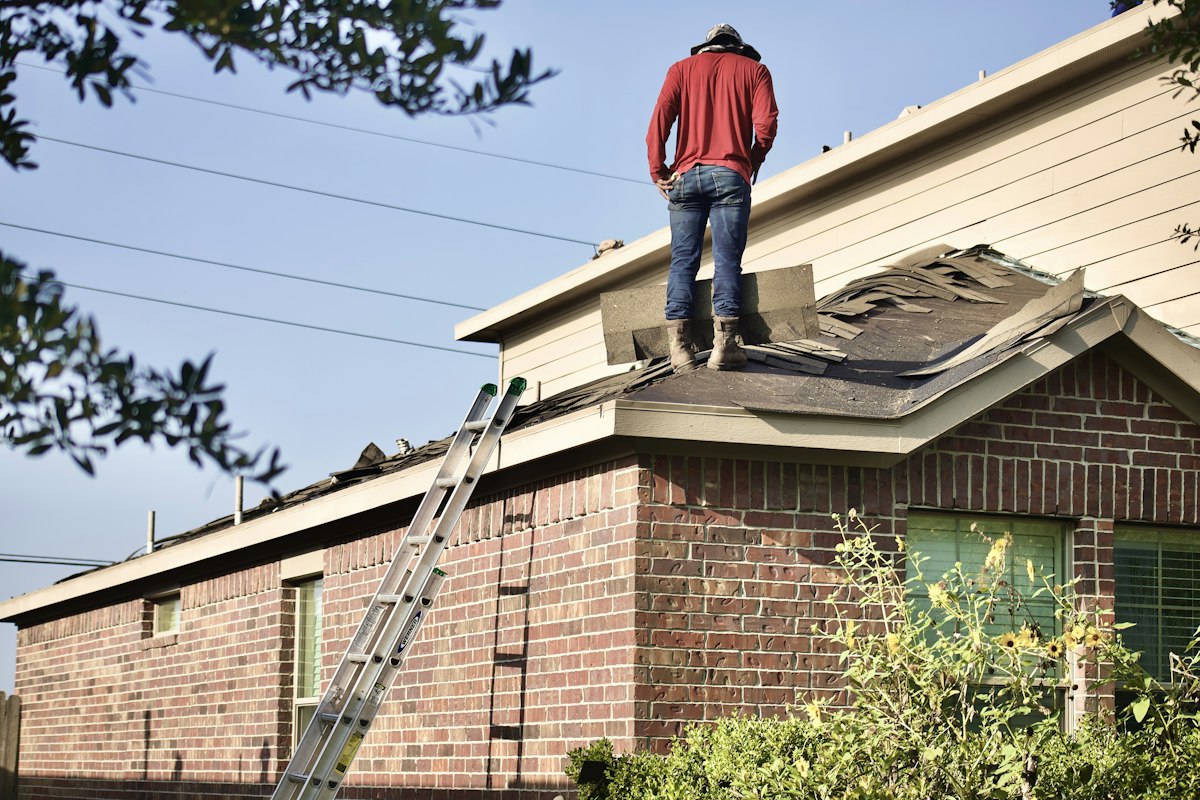








A slipped tile after a night of coastal wind can look like a small problem from the ground. Yet water only needs one route beneath the roof covering to begin damaging timbers, insulation and ceilings. Choosing roofers Worthing homeowners can rely on is therefore about more than getting a visible defect fixed. It is about protecting the whole property before a manageable repair becomes a disruptive and expensive one.
Worthing homes face a mix of weather exposure, from driving rain and strong winds to salt-laden coastal air. Whether your property has a pitched tiled roof, a flat roof extension or older leadwork around a chimney, sound workmanship and a careful assessment make a real difference to how well it performs over time.
What Good Roofers in Worthing Should Assess First
A proper roofing visit should begin with understanding the cause of the problem, not simply treating the most obvious symptom. A stain on an upstairs ceiling, for example, may come from a cracked tile, worn flashing, blocked guttering, damaged mortar or condensation within the roof space. Repairing the wrong area may provide short-term reassurance while the underlying issue continues.
A professional assessment looks at the roof covering, ridge and verge tiles, valleys, flashings, gutters, chimney details and the condition of the roofline. Where access allows, the roof space should also be considered. Damp insulation, daylight showing through the roof structure or discoloured timbers can indicate that water has been entering for longer than expected.
This approach matters particularly with older homes. Some roofs need a targeted repair and can continue to serve the property well for years. Others have reached the point where repeated patching is no longer sensible value. The right answer depends on the age and condition of the roof, the extent of deterioration and whether the surrounding materials are still secure.
Why Coastal Conditions Change Roofing Decisions
Worthing's position on the south coast brings conditions that should not be ignored when planning roofing work. Wind can lift poorly fixed tiles and place pressure on ridge lines, while prolonged rain exposes weaknesses in joints and drainage. Salt in the air can also contribute to the wear of metal fixings and roof details over time.
That does not mean every roof requires major work after poor weather. It does mean small faults should be inspected promptly. A loose tile can become a missing tile in the next storm, and an overflowing gutter can force water behind fascia boards or into the brickwork below.
The materials and repair method should suit the property. Matching replacement tiles closely helps preserve the appearance of an established home, while correct flashing details around chimneys, skylights and abutments are essential for weather resistance. On flat roofs, the condition of edges, outlets and joints is often as important as the surface itself, because water pooling or failed perimeter details can lead to gradual leaks.
Repairs, Maintenance or Replacement?
Homeowners are often understandably cautious when told that more work may be needed. The best decision is rarely based on price alone. It should account for the roof's remaining life, the likelihood of further repairs and the consequences of another failure.
A localised repair can be the right choice where damage is limited to a few broken or slipped tiles, a small area of worn felt, isolated flashing failure or a minor leak caught early. Done properly, it restores protection without disturbing sound parts of the roof.
Maintenance is valuable where the roof is broadly sound but needs attention to prevent trouble. This may include clearing debris from valleys and gutters, securing loose components, renewing failed mortar, checking leadwork and identifying early signs of water ingress. Regular attention is especially useful for landlords and property managers responsible for several properties, where a planned inspection can reduce unexpected call-outs.
Replacement becomes more appropriate when defects are widespread, the roof covering is nearing the end of its serviceable life, or repeated repairs are adding up without resolving the wider issue. A new roof is a significant investment, but it can provide a clear, dependable solution where the existing structure and materials can no longer offer reliable weather protection.
No reputable contractor should present replacement as the automatic answer. Equally, a very cheap repair is not always a saving if it overlooks failing materials nearby. Clear advice should explain the options and their likely outcomes so you can decide with confidence.
Questions Worth Asking Before Work Begins
Roofing work is easier to manage when expectations are clear from the outset. Ask what has caused the issue, which areas are affected and whether photographs can show the condition found. Visual evidence is helpful when a roof is difficult to inspect from ground level and gives homeowners a better basis for approving work.
You should also understand the proposed scope. This means knowing whether the job includes replacement materials, flashing, waste removal, access arrangements and making good any related details. If a repair involves a chimney or roofline, ask how the adjoining areas will be protected while work is carried out.
A clear explanation of timing is equally useful. Emergency weatherproofing may need to happen quickly, with permanent repairs scheduled once conditions allow. Larger projects can depend on scaffold access, material availability and the weather. A dependable contractor will communicate this plainly rather than promise a timescale that cannot realistically be met.
Evidence of previous workmanship matters too. Project galleries, videos and customer feedback can help show the standard of finish, the types of properties worked on and the care taken on site. For homeowners choosing between roofers in Worthing, this proof is often more reassuring than broad claims alone.
Early Signs Your Roof Needs Attention
Not every roofing concern announces itself with a dramatic leak. Looking out for changes around your home can help you arrange an inspection before internal damage develops. Common warning signs include:
- tiles or slates that have slipped, cracked or gone missing;
- damp patches, peeling paint or a musty smell in upper rooms;
- loose mortar around ridge tiles, verges or chimney stacks;
- sagging, overflowing or leaking guttering;
- visible wear to flashing around chimneys, skylights and roof junctions; and
- moss or debris holding moisture in valleys and drainage channels.
Moss alone does not always mean a roof is failing, particularly on shaded elevations. However, heavy growth can retain moisture and conceal cracked tiles or blocked drainage routes. It is best assessed as part of the roof's overall condition rather than treated as an isolated cosmetic issue.
After high winds, a quick visual check from a safe position is worthwhile. Never climb onto a roof to investigate. Loose materials, wet surfaces and hidden weaknesses make this dangerous, and a professional inspection is the safer way to establish what has happened.
Protecting the Rest of the Property
A roof is part of a wider system that keeps water away from the building. Gutters, downpipes, fascias, soffits, chimney stacks and external walls all play a role. When one element fails, the effects can spread beyond the original fault.
For example, blocked gutters can overflow repeatedly against roofline boards and masonry, leading to staining, decay and damp penetration. Cracked chimney pointing can allow water into the stack, while defective flashing may direct it into the roof space. Addressing these details alongside roofing work helps preserve the property rather than merely responding to the latest symptom.
This is why homeowners benefit from a contractor who sees the job in terms of protection and longevity. Revive Roofing Solutions approaches roofing and associated building work with that wider responsibility in mind, giving property owners clear advice and workmanship designed to stand up to the weather.
If you have noticed a new stain, a displaced tile or water overflowing where it should drain freely, do not wait for the next spell of heavy rain to test it. An informed inspection now can give you a practical plan and the reassurance that your home is properly protected.