












A roof valley is one of the hardest-working parts of your roof. Where two roof slopes meet, it channels a large volume of rainwater towards the gutters. When that channel cracks, slips, blocks or deteriorates, water can quickly find its way beneath tiles and into the roof structure. Prompt roof valley repair protects far more than the visible roof covering - it helps prevent damp timbers, stained ceilings and avoidable damage inside the home.
For homeowners across the South East, valleys deserve particular attention after prolonged rainfall, high winds and periods of frost. The right repair is not simply about stopping the drip you can see. It is about identifying why the valley has failed and restoring a weatherproof detail that will stand up to the conditions it faces.
What a Roof Valley Does
Most pitched roofs have valleys where two sections of the roof meet at an internal angle. Rainwater from both slopes naturally collects there, making it a high-flow area. Depending on the age and design of the property, the valley may be formed with lead, tiles, mortar, felt or a modern waterproof lining beneath the visible covering.
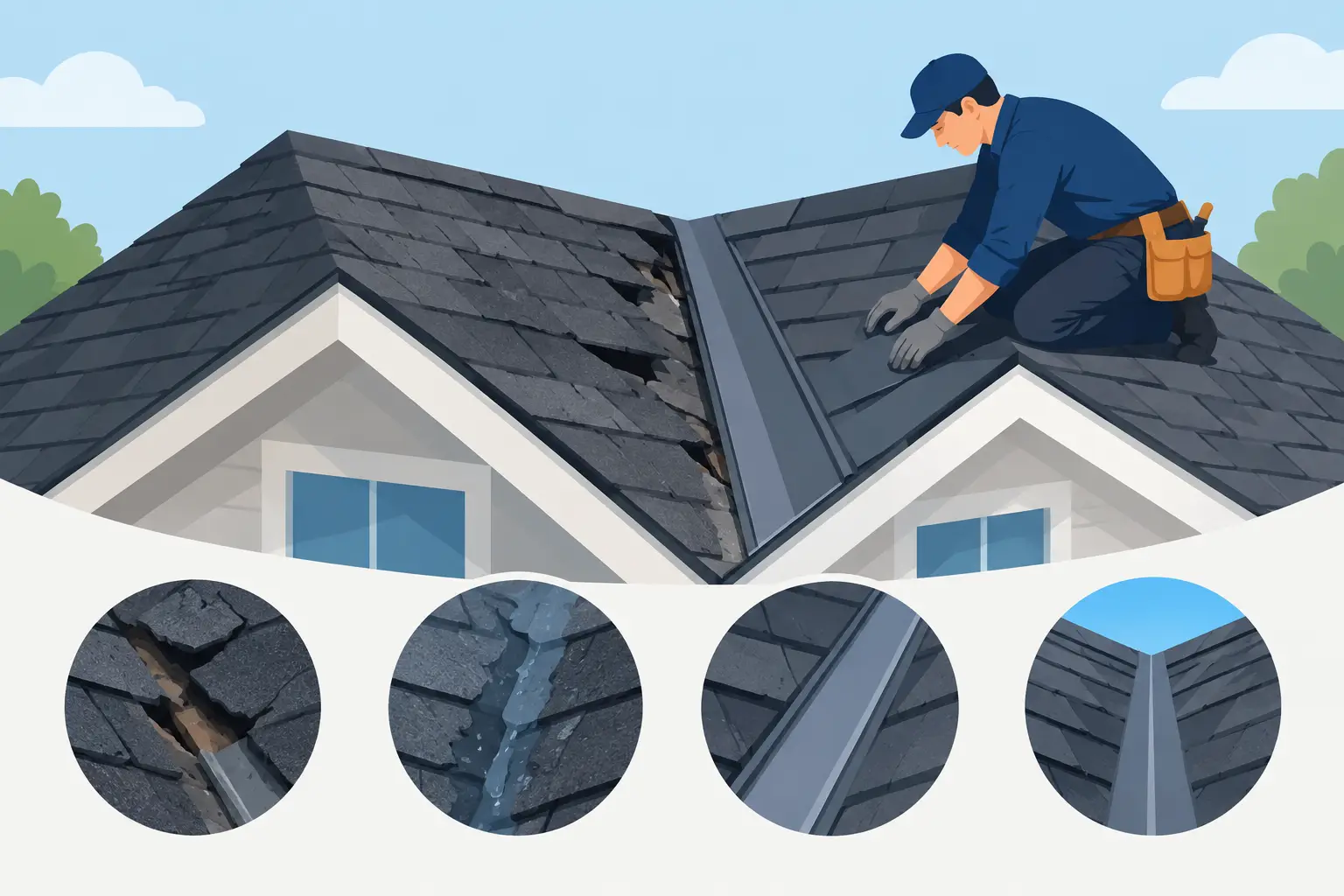
Because it deals with concentrated water run-off, a valley can fail before other parts of a roof. A small split in leadwork, a cracked mortar bed or a slipped tile may allow water below the surface. From there, it can travel along battens or felt before appearing in a loft or bedroom some distance from the actual problem.
This is why a damp patch does not always point directly to the source of a leak. A professional inspection looks at the full valley detail, adjoining tiles, flashings, underlay and the condition of the roof structure rather than making assumptions from inside the property alone.
Signs Roof Valley Repair May Be Needed
A leak during or shortly after rain is the clearest warning sign, but it is not the only one. Water marks on ceilings, peeling paint near the top of external walls and a musty smell in the loft can all indicate moisture entering around a valley.
From ground level, you may notice uneven tiles alongside the valley, missing mortar, visible gaps or vegetation collecting in the channel. Moss itself is not always the cause of a leak, but heavy build-up can slow water flow and hold moisture against ageing materials. On older roofs, lead valleys can also show signs of fatigue, including splits, lifting at edges or cracking around fixings.
It is sensible to arrange an assessment if you see any of the following after poor weather:
- Water staining in the loft, on ceilings or around chimney breasts
- Damp insulation, darkened roof timbers or dripping felt
- Tiles that have slipped, cracked or become uneven beside the valley
- Loose mortar, open joints or debris preventing water from draining freely
- Repeated leaks that appear to have been patched but keep returning
A roof does not need to be actively leaking for there to be a problem. A valley that is beginning to fail may only let in water during wind-driven rain, when gutters overflow or when snow and frost place extra stress on the roof covering.
Why Roof Valleys Fail
The cause often depends on the age of the roof and the materials used. Mortar valleys are common on older properties, but mortar can crack as the building and roof materials move through changing temperatures. Once gaps develop, water can track beneath the tiles.
Lead valleys are durable when correctly detailed, but lead expands and contracts with heat and cold. If it is too tightly fixed, poorly supported or nearing the end of its serviceable life, splits and tears can develop. Corrosion, debris build-up and previous unsuitable repairs can also shorten its lifespan.
Tile valleys can fail when individual tiles crack, loosen or are incorrectly lapped. Beneath the surface, worn underlay or rotten battens may mean water has been entering for longer than first suspected. Storm damage can accelerate any of these issues, particularly where strong winds have lifted tiles or disturbed flashings.
A repair must suit the roof. Applying more mortar over a failing valley may look tidy for a short time, but it will not address a split lining, decayed timber or poor drainage. Equally, replacing a whole valley when the issue is a local damaged tile may be unnecessary. The best approach follows a careful inspection and a clear explanation of the condition found.
How Professional Roof Valley Repair Is Carried Out
A durable repair begins with safe access and a close inspection of the valley and surrounding roof area. Loose debris is removed so that the water path can be checked. The roofer will assess whether the issue is localised or whether the valley lining, tiles and supporting materials have deteriorated more widely.
For a minor local fault, the work may involve replacing broken tiles, renewing a damaged section of lining, securing loose edges or correcting defective pointing. The adjoining tiles must then be re-laid with the correct overlap so rainwater is directed into the valley rather than underneath it.
Where a valley has failed across a larger area, renewal is often the more dependable solution. This usually involves carefully lifting the adjacent tiles, removing the old valley material and inspecting the timber and underlay below. Any compromised battens or underlay should be dealt with before a new valley system is installed. The tiles are then reinstated or replaced where needed, with proper spacing and weathering details.
The material chosen matters. Lead remains an effective option for many traditional roofs when installed correctly. Modern alternatives may be appropriate in certain situations, particularly where they suit the roof design and provide a reliable, compatible finish. The priority is not choosing a material because it is fashionable or cheap; it is selecting a system that manages water effectively and works with the existing roof.
Why Temporary Patches Can Cost More Later
Emergency patching has a place when water is entering the property and immediate weather protection is needed. A short-term measure can limit damage while permanent work is planned. However, it should be treated as temporary unless the underlying cause has been properly resolved.
Sealants applied over wet, cracked or moving materials often fail quickly. They can also conceal the route water is taking, making later diagnosis more difficult. If moisture continues beneath a valley, the repair bill can grow from a straightforward roofing job into replacement of battens, felt, insulation or internal plasterwork.
This is particularly relevant for landlords and property managers. A small leak may seem manageable between tenancies, yet hidden water ingress can affect the condition of the property, create mould concerns and lead to more disruptive work later. Acting early is usually the less costly and less stressful choice.
When to Arrange an Inspection
Do not wait for a ceiling to drip. An inspection is worthwhile after a severe storm, if a roof is approaching an age where repairs are becoming more frequent, or when you spot changes around a valley from the ground. It is also sensible to have valleys checked before decorating a room beneath the roofline, especially if there has been any history of water staining.
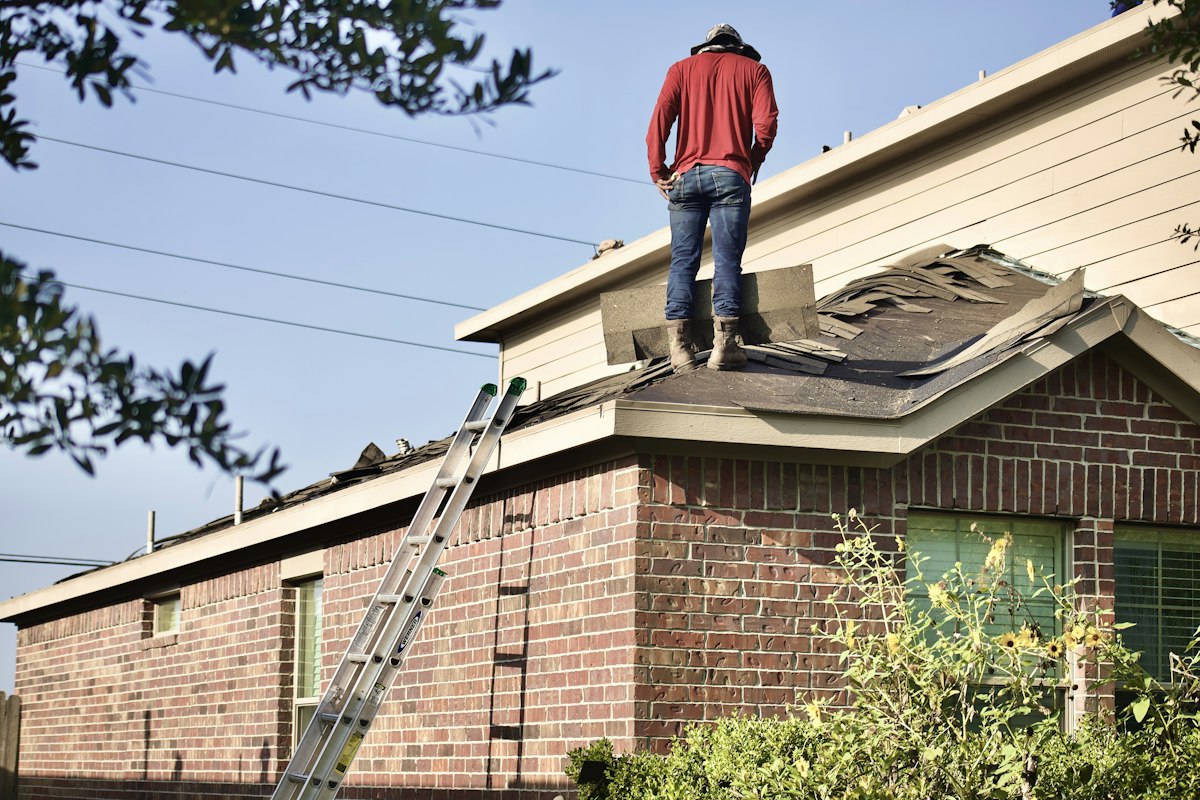
Avoid climbing onto the roof yourself. Valleys are often slippery, steep and difficult to inspect safely, particularly when wet. A proper assessment should include the roof surface and, where possible, the loft space, because the underside often reveals early evidence of water ingress.
Revive Roofing Solutions approaches roof valley repairs with the wider condition of the property in mind. Clear advice, sound materials and careful workmanship help homeowners make a confident decision rather than paying repeatedly for short-lived fixes.
A sound roof valley should carry rainwater away without drawing attention to itself. If yours is showing signs of wear, a timely professional inspection can protect the roof structure, the rooms below and the peace of mind that comes from knowing your home is properly prepared for the next spell of bad weather.