








A brown ceiling stain after heavy rain is rarely just a decorating issue. Water may already be tracking through insulation, timbers or electrical areas, turning a manageable repair into a more disruptive one. Understanding landlord roof repair responsibilities helps landlords act at the right time, protect their tenants and avoid preventable damage to the property.
For most residential lets in England, the landlord is responsible for keeping the structure and exterior in repair. That normally includes the roof, roof coverings, gutters, downpipes, flashings, chimneys and the parts of the building that keep wind and rain outside. The exact position can depend on the tenancy agreement, the building's ownership structure and the cause of the problem, but a leaking or deteriorating roof is not something to leave until the next planned refurbishment.
What a landlord is normally responsible for
Under Section 11 of the Landlord and Tenant Act 1985, landlords of most tenancies of less than seven years must keep the structure and exterior of the dwelling in repair. In practical roofing terms, this means dealing with defects that allow water into the home or make the building less weatherproof.
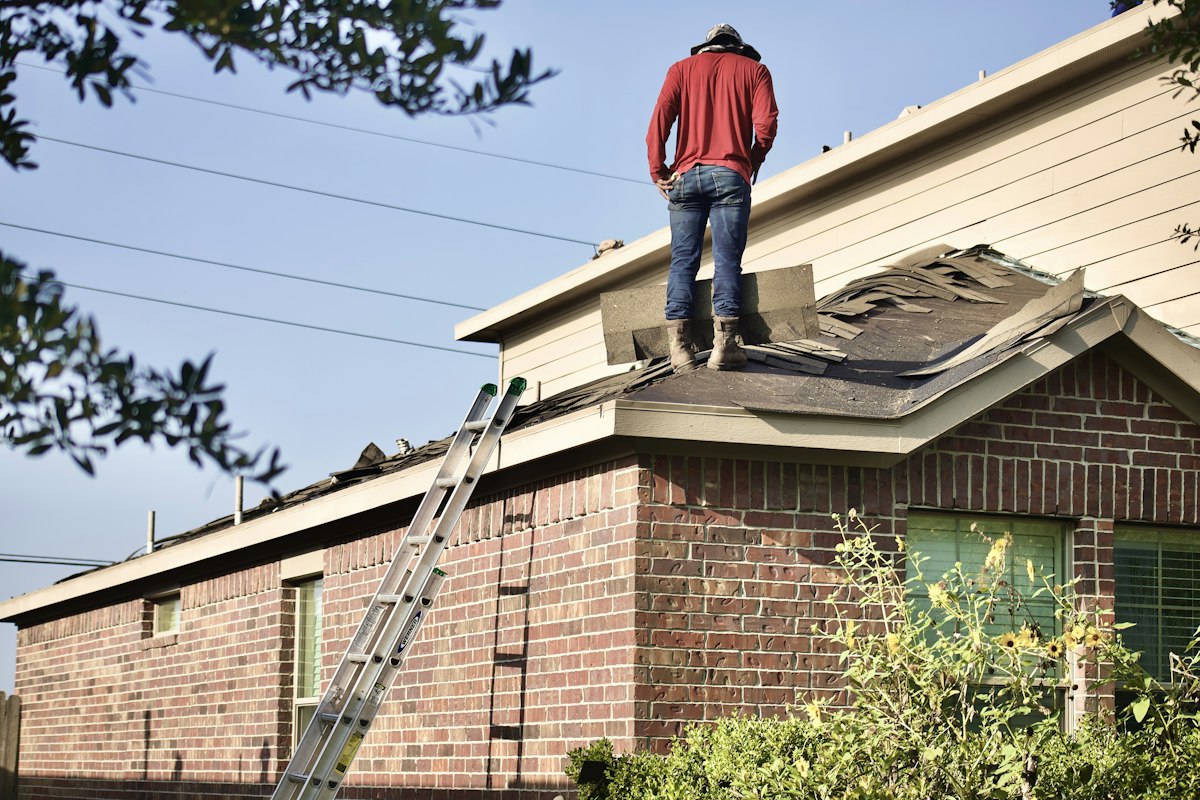
Responsibility will commonly include slipped, cracked or missing tiles, damaged slates, worn felt roofing, failed leadwork, defective ridge tiles, leaking valleys and damaged roof flashings. It also extends to gutters and rainwater pipes where a fault is causing, or is likely to cause, damp or water damage.
A landlord is not required to deliver a brand-new roof whenever a repair is needed. The duty is to keep the property in repair and fit for occupation. A localised repair may be entirely appropriate where the rest of the roof remains sound. Equally, repeated patch repairs to a roof that has reached the end of its useful life can become poor value, especially if leaks continue and tenants face ongoing disruption.
The Homes (Fitness for Human Habitation) Act 2018 also means rented homes must be fit for people to live in throughout a tenancy. Serious damp, water ingress and structural deterioration can affect that standard. A roof issue is therefore not only a maintenance matter. It can affect the safety, condition and liveability of the home.
When does the repair duty begin?
A landlord is generally expected to act once they know, or should reasonably have known, that a repair is required. In many cases, this starts when a tenant reports a leak, damp patch, loose tile or overflowing gutter. Good reporting arrangements matter because a tenant needs a clear way to raise concerns before a small issue develops.
However, waiting for a report is not a substitute for sensible property care. Periodic inspections can identify lifted tiles, blocked gutters, moss-related deterioration, ageing sealants and visible damage before water reaches the inside of the property. This is particularly worthwhile after severe weather, or where the roof is older, heavily shaded by trees or exposed to coastal conditions.
There is no fixed number of days that applies to every roof repair. The reasonable timeframe depends on the risk. Active water entering a bedroom, loft space or electrical area needs urgent attention. A cracked tile with no sign of current ingress may be scheduled promptly, but it should not be allowed to sit unresolved for months.
Emergency work versus permanent repair
Storm damage often calls for two stages of work. The first is making the property safe and weather-tight, perhaps by securing loose materials or applying a temporary cover. The second is a permanent repair using suitable materials and proper detailing once conditions allow.
This approach is often the safest and most responsible option. A roof cannot always be repaired properly in high winds or heavy rain, and forcing work in unsafe conditions can create a greater risk. The key is clear communication: tenants should know what has been done to protect the property, what happens next and when the permanent repair is expected.
When might a tenant be responsible?
Landlords remain responsible for normal deterioration and defects caused by age, weather or a failure in the roof itself. A tenant may be liable where their actions, or those of a visitor, have directly caused damage. For example, this could include damage caused by unauthorised access to a flat roof, a broken rooflight caused by impact, or alterations made without permission.
Even then, the immediate priority is usually to prevent further water entry and make the property safe. Sorting out responsibility for costs can follow once the cause is clear. It is unwise to delay essential weatherproofing while an argument continues, as the resulting damage may become more expensive for everyone.
Tenants also have responsibilities that support effective repairs. They should report problems as soon as they notice them, allow reasonable access for inspections and works with proper notice, and take everyday care of the home. They should not attempt risky roof repairs themselves. Climbing onto a roof without suitable equipment can cause injury and may worsen the damage.
Landlord roof repair responsibilities in flats and managed buildings
Roofing responsibility can be less straightforward in flats. A leaseholder landlord may own and let the flat, while the freeholder or managing agent is responsible for the main roof and external structure. The lease will usually set out who must arrange repairs and how costs are recovered through service charges.
That arrangement does not remove the landlord's responsibility to their tenant. If a roof leak affects the let property, the landlord should raise the issue quickly with the managing agent, keep records and update the tenant. Tenants should not be left to chase building management themselves, particularly where damp or water ingress is ongoing.
For converted houses, maisonettes and properties with shared roofs, responsibility can depend on the specific lease or ownership agreement. Early inspection by a competent roofing contractor can provide the practical evidence needed to explain the problem clearly to other parties and move the repair forward.
Insurance is helpful, but it does not replace repair duties
Landlord insurance may cover certain sudden events, such as storm damage, fallen trees or accidental impact, subject to the policy terms and excess. Wear and tear, lack of maintenance and gradual deterioration are commonly excluded. A claim should never be assumed before the policy is checked.
More importantly, an insurance discussion should not hold up urgent action to protect the building. A landlord may need to arrange temporary protection or emergency repairs first, then provide photographs, reports and invoices to the insurer. Clear records are valuable whether an insurance claim is made or not.
A sensible approach to roof maintenance
The best way to manage roof repairs is to treat the roof as a protective system rather than a surface that only receives attention when it leaks. Gutters, tiles, flashings and drainage all need to work together. One failed component can allow water to travel some distance before it becomes visible indoors.
A practical maintenance plan should include regular visual checks from ground level, gutter clearance where needed, prompt assessment after high winds and professional inspections when a concern is identified. Photographs and dated repair records are useful for maintenance planning, insurance matters and communication with tenants.
When work is required, choose a contractor that can identify the cause rather than simply cover the visible symptom. A stain around a chimney, for instance, could be linked to flashing, pointing, a cracked tile above it or a blocked gutter changing the path of water. Durable repairs depend on finding that source.
For landlords across the South East, Revive Roofing Solutions provides professional assessments and roofing repairs focused on weather protection, sound workmanship and the longer-term condition of the property. A clear assessment gives landlords a basis for acting confidently, whether the answer is a targeted repair, planned maintenance or more extensive renewal.
Keep tenants informed and the property protected
Roof repairs are easier to manage when communication is calm and specific. Confirm that the issue has been received, explain any immediate safety measures, give reasonable notice of access and update the tenant if weather delays the work. If rooms need protecting from water or a short period of disruption is unavoidable, practical guidance can make a difficult situation far less stressful.
A well-maintained roof protects more than the building fabric. It protects the tenant's home, the landlord's investment and the confidence that problems will be dealt with properly when the weather turns.