





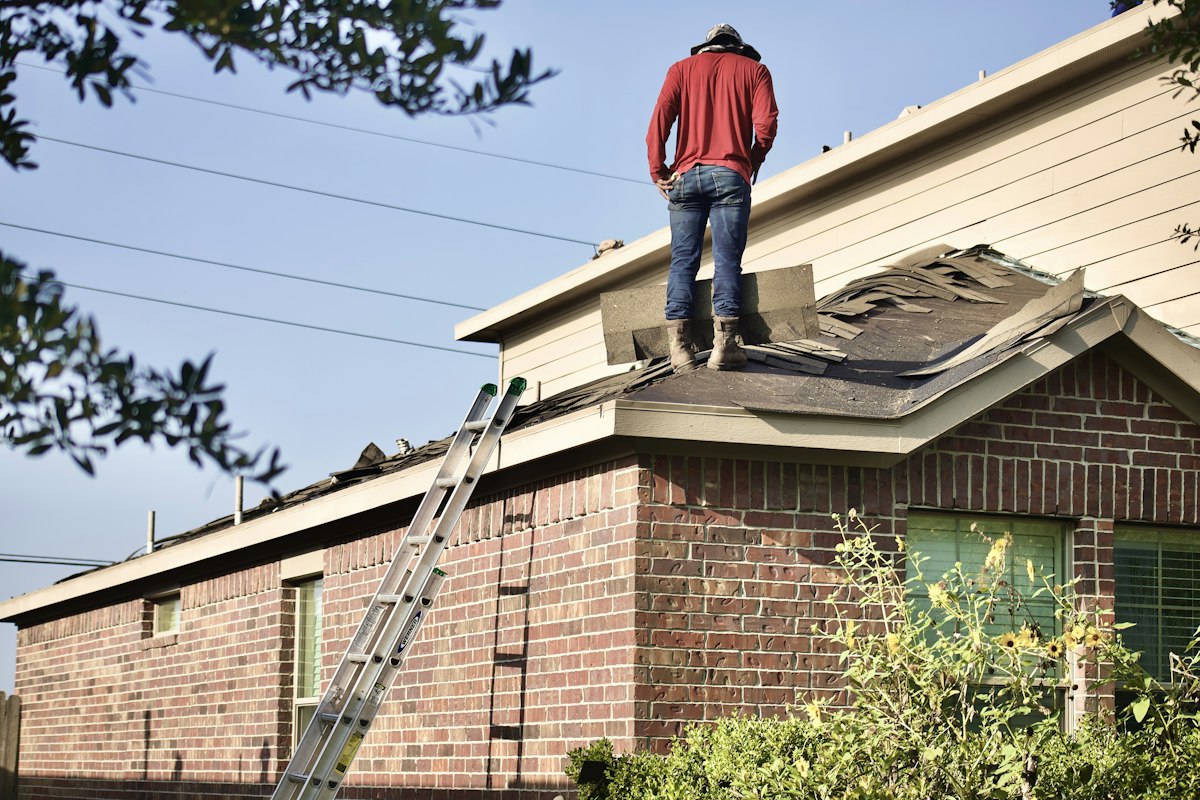








A single lifted tile can become far more than a minor roofing defect when strong winds arrive. Wind gets beneath loose edges, increases pressure across the roof covering and can quickly strip away tiles, slates, ridge pieces or flashing. Knowing how to prevent wind damage gives homeowners and landlords a better chance of protecting the property before a routine storm becomes an expensive repair.
In the South East, exposed coastal areas, open countryside and taller urban properties can all experience sudden gusts capable of testing an ageing roof. The best protection is rarely one dramatic improvement. It is a combination of sound roof condition, secure fixings, clear drainage and prompt professional attention when something changes.
Start with the roof's weakest points
Wind damage often begins where the roof is already vulnerable. Ridge tiles, hip tiles, verges, lead flashing and the edges around chimneys, skylights and dormers are particularly exposed because they sit at transitions in the roof covering. If mortar has cracked, fixings have corroded or tiles have begun to move, wind can force its way underneath.
Take a look from ground level several times a year, particularly after periods of high wind. You may notice slipped tiles, gaps along the ridge, uneven roof lines, broken mortar or flashing that appears lifted. Inside the loft, check for daylight showing through the roof covering, damp insulation, water marks on timbers or a fresh draught. These signs do not always mean a major failure, but they do justify a professional inspection before conditions worsen.
Avoid climbing onto the roof yourself. Roofing surfaces can be unsafe even in dry weather, and a small defect is easier to assess properly from a secure working position. A roofing specialist can identify whether a local repair is sufficient or whether wider deterioration is affecting the roof's ability to withstand wind.
Keep tiles, slates and ridge work secure
Tiles and slates depend on correct mechanical fixings, sound battens and suitable overlaps to resist wind uplift. Older roofs may rely partly on mortar, while modern work is commonly secured with clips, nails or screws designed for the roof material and exposure level. Where repairs have been completed poorly in the past, mismatched fixings or inadequate bedding can leave parts of the roof at risk.
Ridge and hip tiles deserve particular attention. Traditional mortar bedding can break down over time through weathering, movement and freeze-thaw cycles. A cracked ridge is not merely cosmetic. It can allow individual tiles to loosen, creating a potential hazard below as well as a route for water ingress.
A properly specified repair may involve rebedding ridge tiles, renewing damaged battens, replacing cracked coverings or using a dry-fix system where appropriate. The right approach depends on the roof design, its age and the condition of the surrounding materials. Replacing one visible loose tile without checking why it moved can leave the underlying issue unresolved.
Maintain gutters, valleys and drainage routes
Blocked gutters do not directly cause wind, but they can make wind-driven rain much more damaging. When water cannot drain away freely, it can overflow onto fascia boards, soak roof edges and find its way into weak points beneath tiles or flashing. Debris in roof valleys creates a similar problem, holding water in a place where several roof slopes meet.
Clear leaves, moss and loose debris from gutters regularly, especially after autumn and before the stormier winter period. Make sure downpipes are connected securely and discharge water away from the building. If gutters sag, leak at joints or pull away from the fascia, deal with them promptly. Strong gusts place additional strain on a gutter already carrying standing water or debris.
Be cautious about removing moss from a roof. Aggressive scraping or pressure washing can crack tiles, dislodge protective surfaces and disturb aged mortar. A professional can advise whether treatment, careful removal or simply routine monitoring is the sensible option for your roof.
Do not overlook chimneys, flashing and roofline timber
Chimneys are exposed above the main roof line and take the full force of driving wind. Loose pots, damaged pointing, failing flaunching and cracked lead flashing should be addressed without delay. Wind-driven rain can penetrate small faults around a chimney, while unstable masonry or pots may become a serious safety concern in severe weather.
Lead flashing should sit neatly and securely where roofs meet chimneys, walls or dormers. If it has lifted, split or pulled away from its joints, water can be driven underneath by gusts. The problem may first appear indoors as a stain around a chimney breast or upper-floor ceiling, but the source is often on the roof exterior.
Fascias, soffits and bargeboards also protect the roof structure. Rotting timber, loose boards or failing fixings can give wind an entry point at the eaves and gable ends. Once the roof edge is compromised, rain and wind can reach the timber beneath the covering, making a modest repair more extensive over time.
Reduce risks around the property
Preventing wind damage is not only about the roof itself. Overhanging branches can scrape tiles, block gutters and break onto the building during a storm. Arrange for large or unhealthy branches near the home to be assessed and managed safely. This is especially worthwhile if they extend above the roof, conservatory or outbuildings.
Secure garden furniture, bins, trampolines, gates and sheds when severe weather is forecast. Loose items can damage roof coverings, windows and guttering if they become airborne. Check fences and garden structures too, as a collapsed panel can strike lower-level roofing or block access when repairs are urgently needed.
For landlords and property managers, a simple documented maintenance schedule helps ensure these checks are not missed between tenancies or during busy periods. Recording inspections, repairs and storm-related observations also makes it easier to spot recurring problems in a particular part of the building.
Prepare before severe weather arrives
A weather warning is a useful prompt, but it is not the ideal time to start major roofing work. If strong winds are forecast and you already know of a loose tile, leaking gutter or unstable chimney feature, arrange an assessment as soon as it is safe to do so. Temporary protection may be possible in some circumstances, although permanent repairs should not be rushed or attempted in unsafe conditions.
Before a storm, close and secure loft hatches, windows and doors. Move vehicles away from large trees where possible, and make sure access routes around the property are clear. Keep a torch available in case of a power cut, and know where your electrical consumer unit and mains water stopcock are located should water enter the building.
During high winds, stay away from loose roof materials, damaged fencing and fallen cables. Do not attempt to retrieve tiles, climb ladders or inspect a roof while gusts continue. The priority is safety. A roof can be assessed once conditions have settled.
What to do after wind damage
After the weather passes, inspect the property from the ground. Look for missing or displaced tiles, fallen mortar, broken guttering, loose flashing and debris around the building. From inside, check the loft and upper rooms for signs of water ingress, including damp patches, dripping, bubbling paint or a musty smell.
If you find a problem, take clear photographs from a safe position and contact a qualified roofing contractor. A prompt inspection can prevent rain entering through an exposed area and damaging insulation, ceilings, electrics or timber. If there is an immediate danger from fallen materials or unstable structural elements, keep people away from the area and seek urgent professional assistance.
It can be tempting to judge the roof by whether it is actively leaking, but wind damage is not always visible indoors straight away. A displaced tile may leave the underlay exposed without causing an immediate drip. Early repair is normally simpler, safer and less disruptive than waiting for the next spell of heavy rain to reveal the issue.
Choose repairs that protect the whole roof
The most dependable way to prevent repeat wind damage is to treat repairs as part of the roof's wider condition. A good inspection considers the covering, fixings, battens, flashing, drainage and roofline rather than focusing only on the first broken tile. This helps establish whether the problem is isolated, the result of ageing materials or a sign that a larger repair is needed.
Revive Roofing Solutions takes this practical, protection-led approach, helping property owners make informed decisions about repairs that support long-term durability. Whether your home has a pitched tiled roof, slate roof, flat roof or a more complex arrangement around extensions and dormers, the appropriate work should be based on evidence rather than guesswork.
A well-maintained roof will still face demanding weather, particularly in exposed locations. But regular checks and timely professional repairs give it the best chance of doing its job: keeping wind and rain outside, where they belong.