












A small ceiling stain after heavy rain can be the first visible sign of a much older problem above it. Knowing how to identify roof rot early gives you the best chance of dealing with the source of moisture before sound timber, insulation and internal finishes are affected. Roof rot is rarely a repair to put off until spring - the longer damp conditions continue, the greater the risk to your property and the cost of putting it right.
What roof rot is and why it develops
Roof rot is timber decay caused by prolonged exposure to moisture. It most often affects roof rafters, joists, battens, fascia boards and soffits, although any timber around a persistent leak or poorly ventilated roof space can be vulnerable.
Timber does not rot simply because it gets wet once. Problems begin when it cannot dry properly. A slipped tile, cracked flashing, worn felt underlay, blocked gutter or leaking valley can allow water into the roof structure over many months. Condensation can cause similar damage where insulation, ventilation or vapour control is inadequate.
There are two broad forms of fungal decay. Wet rot normally remains close to the moisture source and makes timber softer, darker and weaker. Dry rot is less common in roof structures but can be more serious, as it can spread through timber and adjacent materials once established. Both require the cause of damp to be resolved, not merely the visible damage covered over.
How to identify roof rot from inside your home
The loft is often the safest place to spot early warning signs, provided it is properly boarded, well lit and safe to access. Do not step between joists, lean on roof linings or disturb damaged timbers. If there is any doubt about the condition of the structure, arrange a professional inspection instead.
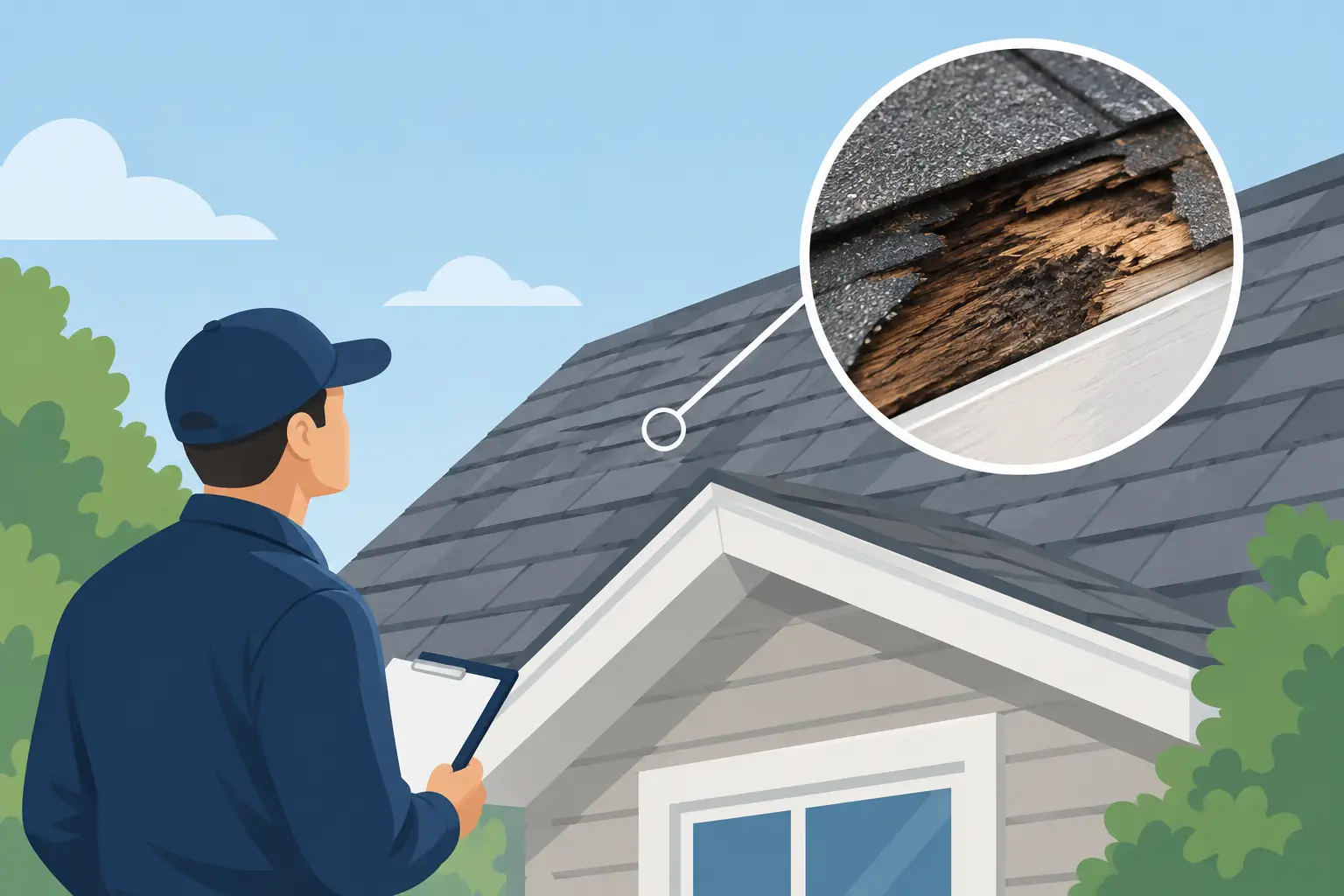
Start by looking for changes in colour and texture. Healthy roof timber should generally feel firm and look dry. Rotting timber may appear dark brown, blackened or stained, with patches that look persistently damp. It may feel spongy when gently pressed, crumble at the edges or split unusually easily. A musty odour in the loft can also point to trapped moisture, even before decay is obvious.
Pay particular attention to the areas around chimney stacks, roof valleys, skylights, vent pipes and the junctions where roof slopes meet. These are common places for water to enter. If daylight is visible where it should not be, or rainwater marks are present on felt, rafters or insulation, the roof needs closer assessment.
Ceilings below the roof can provide further clues. Yellow-brown water marks, peeling paint, bubbling plaster and a patch that feels unusually cold or damp are all reasons to investigate. A stain does not always sit directly beneath the leak, however. Water can travel along timbers, felt or cables before it reaches the ceiling, so treating the marked area alone may leave the actual problem untouched.
Signs of roof rot on the outside of the property
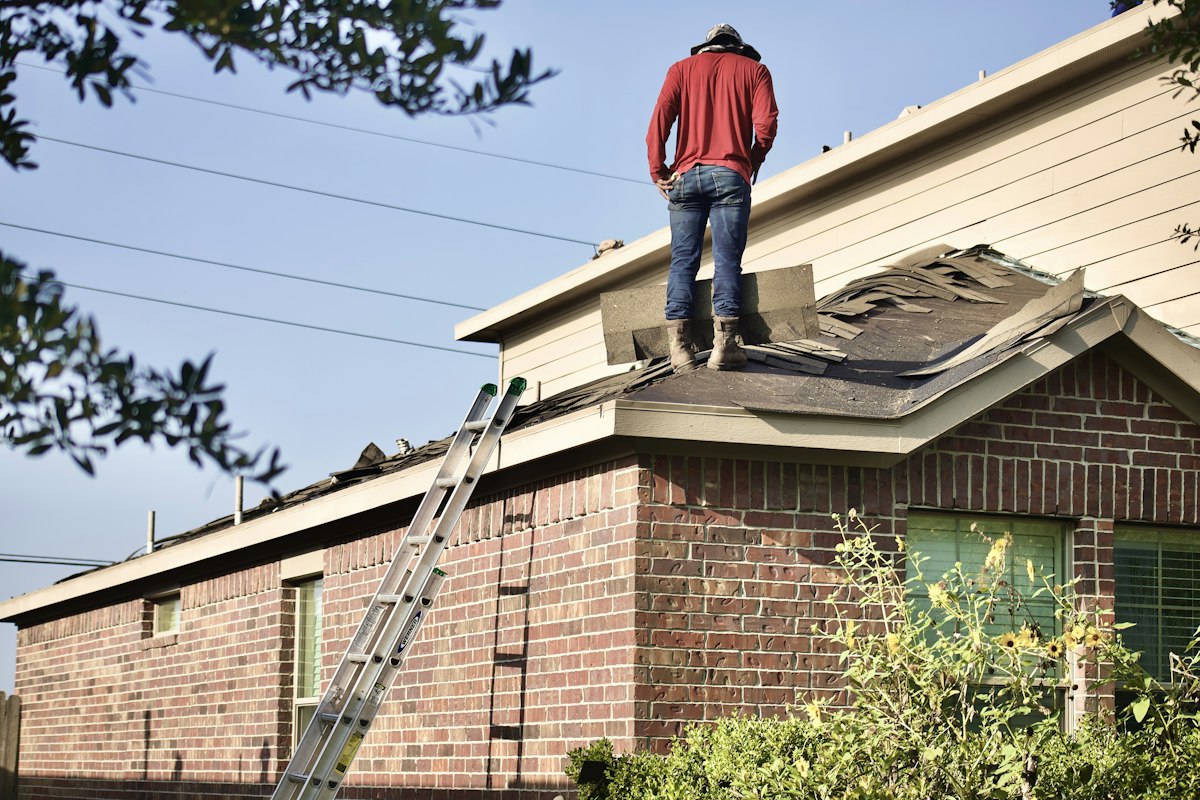
External checks can reveal the conditions that lead to rot, but they should usually be made from ground level using binoculars or by a qualified roofer. Climbing ladders or walking on a roof without the correct training and equipment creates a real risk of injury and can damage tiles, slates or coverings.
Look for slipped, cracked or missing tiles and slates, particularly after high winds. Damaged ridge tiles, loose leadwork, deteriorated mortar around a chimney and sagging sections of roofline are also worth attention. Where rain can get beneath the outer covering, timber battens and rafters may be exposed to repeated wetting.
Fascia boards and soffits deserve a close look because they sit beside the gutters and can be affected by overflowing water. Soft spots, flaking paint, open joints, discolouration and areas that look warped may indicate decay behind the surface. Timber fascias can rot because of failed guttering, but a leaking eaves detail or defective underlay may be contributing as well.
Gutters are a simple but significant part of roof protection. If they are blocked with moss and leaves, water can overflow onto the fascia, masonry and roof edge every time it rains. Water spilling from a gutter joint or downpipe may look minor, yet repeated saturation can lead to gradual timber deterioration. Clearing gutters helps, but it will not repair rot already present or address a deeper roof defect.
Roof rot or surface staining: how to tell the difference
Not every dark mark on timber means rot. Old water staining can remain long after a leak has been repaired, and harmless surface mould may develop in a cold, humid loft. The key question is whether the timber is currently damp, structurally weakened or affected by an ongoing source of moisture.
Surface staining tends to leave timber firm and dry. Rot is more likely where the timber has lost strength, feels soft, shows cracking along the grain or has a fibrous, crumbly appearance. Fungal growth, a persistent earthy smell and damp insulation nearby make active moisture more likely.
A professional roofer can assess the roof covering, flashings, drainage and timbers together. This matters because replacing a visibly decayed section without curing the leak or condensation issue can mean the same damage returns. Equally, replacing all roof timber is not always necessary. The right scope depends on how far the decay has travelled and whether the remaining structure is sound.
Common causes that should not be overlooked
Roof leaks are the best-known cause, but they are not the only one. Condensation is a frequent issue in lofts, especially where warm, moist air from bathrooms or kitchens enters the roof space and meets cold surfaces. This can happen through gaps around loft hatches, unsealed pipe penetrations or extractor fans that discharge into the loft rather than outside.
Restricted ventilation can make condensation worse, but ventilation should not be added without considering the roof’s existing design and insulation. A poorly planned alteration can introduce draughts, heat loss or wind-driven rain. A proper inspection should establish whether the moisture is coming from above, below or both.
Poorly maintained valleys, chimneys and flat-roof junctions are other common sources of hidden water entry. A roof can look acceptable from the street while a small defect beneath a tile, slate or flashing allows enough water through to affect the timbers below. Older properties across the South East can be particularly susceptible where original details have weathered over time or previous repairs have not addressed the underlying fault.
When roof rot needs urgent attention
Some signs call for prompt professional help rather than monitoring. Act quickly if you notice a sagging roof line, a ceiling that is bowing or bulging, widespread damp in the loft, active dripping, a strong musty smell, or timber that breaks apart under very light pressure. These can indicate that water damage is affecting more than a small local area.
It is also sensible to arrange an inspection after storm damage, particularly if tiles or slates have come loose. Temporary water ingress can become a larger issue if rain reaches the roof structure before repairs are completed. If water is near electrical fittings, avoid touching affected areas and seek appropriate professional advice.
What a professional roof inspection should establish
A useful roof inspection does more than confirm that timber is damaged. It should identify where water or condensation is coming from, assess whether the roof structure remains safe, and distinguish between local repairs and work that needs a broader approach.
The assessment may include the condition of tiles or slates, underlay, battens, valleys, flashings, gutters, roofline timbers, insulation and ventilation. Where decay is found, the contractor should explain which timbers need repair or replacement and why. Clear photographs and straightforward explanations give homeowners and property managers a better basis for deciding what work is necessary.
At Revive Roofing Solutions, the focus is on resolving the defect that has put the property at risk, then completing repairs that protect the roof for the long term. That may mean a targeted repair where the issue is contained, or more extensive work where the roof has suffered sustained water ingress.
Protecting your roof after repairs
Once the moisture source has been dealt with, regular checks can help prevent a repeat. Keep gutters clear, look for storm damage from ground level, and investigate new ceiling marks promptly. In the loft, check occasionally for damp smells, wet insulation or changes to exposed timber, especially after prolonged rainfall.
A dry, sound roof structure is easy to overlook because it does its job quietly. Giving early signs of damp the attention they deserve is one of the most practical ways to preserve your home, avoid disruption and keep small defects from becoming structural repairs.