







A flat roof rarely fails all at once. More often, a small weakness at an edge, outlet or rooflight lets water in over time. That is why EPDM roofing installation is about far more than laying a rubber membrane across a roof. The condition of the deck, drainage falls and the detailing around every junction all decide whether the finished roof protects your property for years to come.
EPDM is a popular choice for domestic flat roofs across the South East because it is durable, flexible and well suited to Britain’s wet, changeable weather. When specified and fitted correctly, it provides a clean, low-maintenance waterproof surface for garages, extensions, dormers, porches and outbuildings.
Is EPDM right for your roof?
EPDM is a synthetic rubber roofing membrane. It is usually supplied in large sheets, allowing many smaller domestic roofs to be covered with few or no field seams. Fewer joins can reduce potential weak points, but only if the roof perimeter and all penetrations are finished properly.
For homeowners, the main attraction is dependable weather protection. EPDM remains flexible through changing temperatures and resists cracking caused by sunlight exposure. It can be an excellent option for a roof replacement where a traditional felt covering has reached the end of its serviceable life.
That said, the membrane is only one part of the system. A premium covering cannot compensate for a decayed deck, poor drainage or inadequate flashings. The right solution also depends on the roof’s use. A roof that will receive regular foot traffic, support decking or carry equipment may need additional protection or a different build-up designed for that purpose.
Before EPDM roofing installation begins
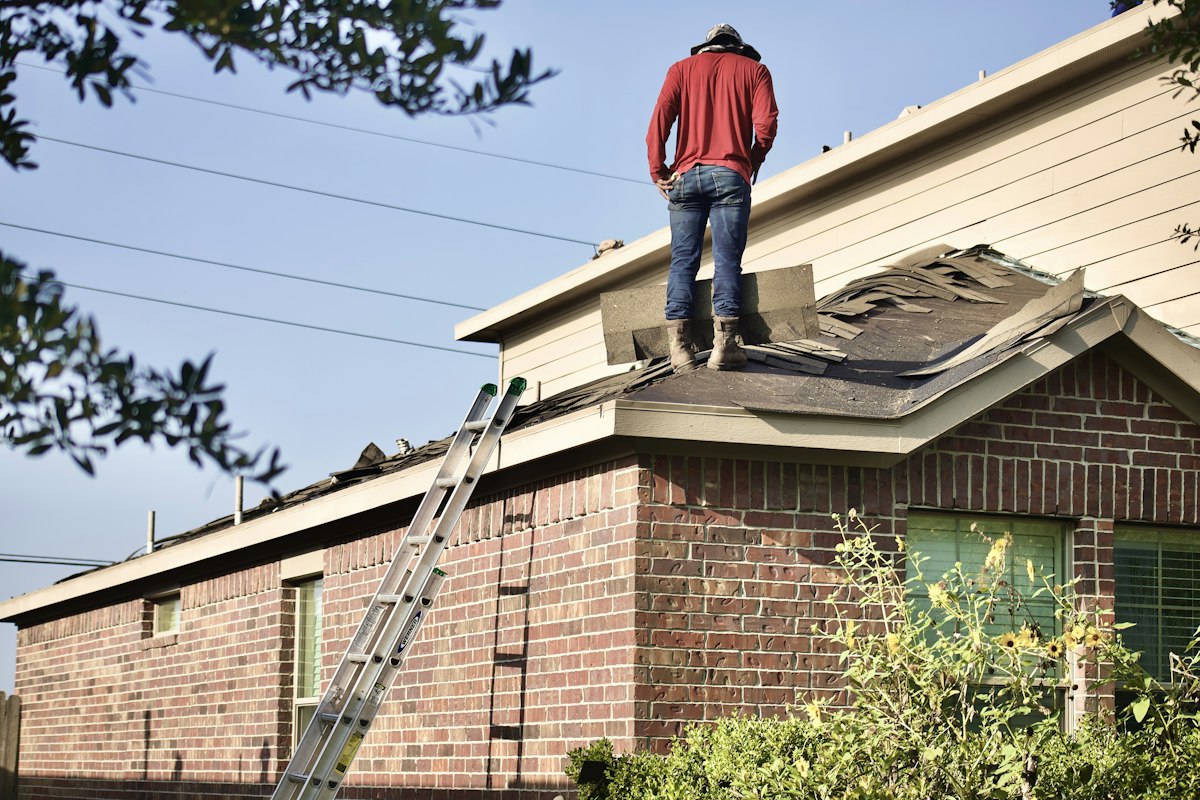
A professional installation starts with investigation, not adhesive. The existing roof should be assessed for signs of ponding water, failed edges, soft spots, damaged timbers and moisture trapped beneath the old covering. If water has entered the structure, simply covering over the problem can allow rot and deterioration to continue unseen.
A dry, sound roof deck
The membrane needs a clean, stable base. On many domestic roofs, this is a timber deck, although other substrates may be suitable depending on the system. Any damaged or uneven sections should be repaired or replaced before work continues. The roof must also be dry. Applying a new covering over damp materials risks trapping moisture within the structure.
Whether an old roof can be overlaid rather than stripped back is not a decision to make on appearance alone. An overlay can save disruption where the existing surface is sound, dry and compatible with the proposed system. Where there are leaks, instability or layers of failed material, a full strip-back is often the safer long-term choice.
Falls and drainage
Water must have a clear route away from the roof. A flat roof is not normally completely level: it should be formed with appropriate falls towards gutters, outlets or drainage points. Standing water can accelerate surface ageing, highlight low spots and add unnecessary weight to the roof structure.
Gutters and outlets need as much attention as the membrane itself. A blocked outlet can turn a well-fitted roof into a pond after heavy rainfall. During the survey, the installer should consider where water currently collects and whether the existing drainage arrangement is sufficient.
Insulation and roof build-up
If the roof is being renewed, it may be sensible to consider insulation at the same time. A warm-roof construction places insulation above the structural deck and is a common approach for habitable extensions. It can improve thermal performance, but the complete build-up must be designed correctly, including vapour control and edge details.
This is not an area for assumptions. The roof’s construction, ventilation requirements and connection to adjoining building elements all matter. A contractor should explain the proposed build-up in plain English before work begins.
How EPDM roofing installation should be carried out
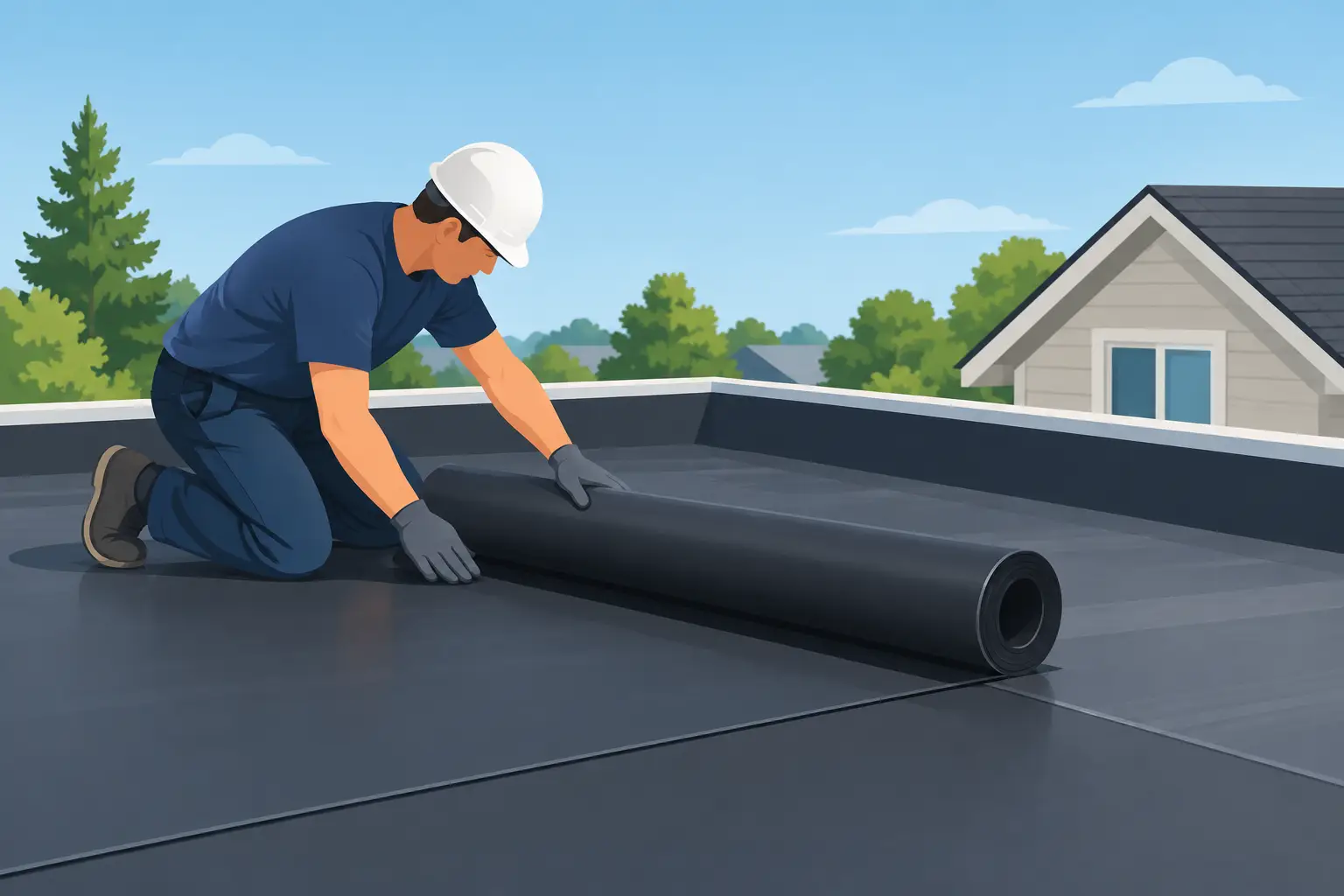
Once the roof has been prepared, the membrane is measured and positioned to allow for upstands, edges and detailing. It should be allowed to relax into place rather than pulled tight across the roof. This helps avoid tension that can affect the finish around corners and perimeter trims.
The fixing method depends on the roof design and the manufacturer’s system. Much of the membrane may be bonded to the deck using a suitable adhesive, while perimeter areas and vertical upstands often require particular attention. Adhesive must be applied evenly and at the right stage of curing. Rushing this part can lead to poor adhesion, bubbles or areas that may lift later.
Large sheets are one of EPDM’s strengths, but where seams are required, they must be cleaned, primed and bonded with the correct tapes or seam materials. These joints are not optional details. They are part of the waterproofing system and should be completed carefully in clean, dry conditions.
Edges, corners and upstands
Most roof failures occur at details rather than in the middle of the membrane. The roof edge needs a secure termination that prevents wind uplift and directs water into the gutter. Corners should be neatly formed without excessive folds, cuts or stretched material.
At walls, parapets, rooflights, pipes and door thresholds, the membrane has to turn up and be terminated properly. Upstands are designed to keep water above the finished roof surface from reaching vulnerable junctions. The exact treatment varies with the detail, especially around low thresholds, but it should never be treated as an afterthought.
Where the roof meets existing brickwork, flashing and termination methods must suit the building fabric. The aim is a continuous waterproof route from the roof surface to each adjoining element, with no easy path for driven rain.
Shortcuts that can shorten a roof’s life
A new black membrane can make a roof look finished quickly, which can hide workmanship problems until the next period of sustained rain. Warning signs include loose perimeter trims, obvious bubbling, open seams, poorly formed corners and water that remains on the roof long after rainfall has stopped.
Other common problems are more difficult for a homeowner to spot. These include adhesive applied to a damp deck, insufficient fixing at exposed edges, blocked or poorly positioned outlets, and membrane details that have not been properly sealed around pipes or rooflights. Each may start as a small defect but can lead to internal damp, damaged insulation and expensive remedial work.
Price matters, but it should not be the only deciding factor. A quotation should make clear what is included: removal and disposal of existing coverings where required, deck repairs, insulation work, drainage alterations, edge trims, flashing details and the proposed membrane system. Comparing like for like helps property owners avoid an apparently low cost that leaves essential work out of scope.
Looking after an EPDM roof
EPDM is relatively low maintenance, not maintenance-free. A visual check twice a year and after severe weather can help identify loose debris, blocked outlets or damage caused by work carried out by others. Keep gutters clear and avoid dragging sharp objects, ladders or heavy furniture across the roof surface.
If you notice staining on ceilings, a change in the roof’s appearance or persistent standing water, arrange an inspection promptly. Water may travel within the roof build-up before appearing indoors, so the visible symptom is not always directly below the source.
Avoid applying unapproved coatings or sealants in an attempt to solve a problem. Different roofing materials do not always bond or perform well together. A targeted repair using compatible materials is generally the more dependable approach.
Choosing the right installer
The quality of the finished roof comes down to assessment, preparation and attention to detail. Look for a roofing contractor that is willing to inspect the roof properly, explain the condition of the structure and set out the proposed work without unnecessary jargon. Photographs of previous work, clear communication and a detailed scope are useful signs that the contractor takes responsibility for the result.
At Revive Roofing Solutions, the focus is on work that protects the wider property, rather than a quick surface-level fix. For homeowners, landlords and property managers, that means understanding what sits beneath the existing covering as well as how the new roof will perform in the years ahead.
A well-planned EPDM roof should leave you with more than a tidy finish. It should give you confidence when heavy rain arrives, because the roof has been prepared, detailed and fitted to do the job it is meant to do.